1950s Retro Cute Girls Christmas Cards: Illustrations for Blog Design
In the world of digital publishing, first impressions are everything. As a blog designer and content publisher who has spent years refining visual workflows for affiliate sites and editorial blogs, I know that a reader’s decision to stay or bounce often happens within seconds. This decision is heavily influenced by the quality of your graphic design asset choices. Recently, I evaluated a specific set of vintage-inspired visuals titled 1950s Retro Cute Girls Christmas Cards to see if they could hold up in a professional publishing environment. The goal was simple: determine if these Illustrations could elevate our holiday content strategy without compromising brand authority or user experience.
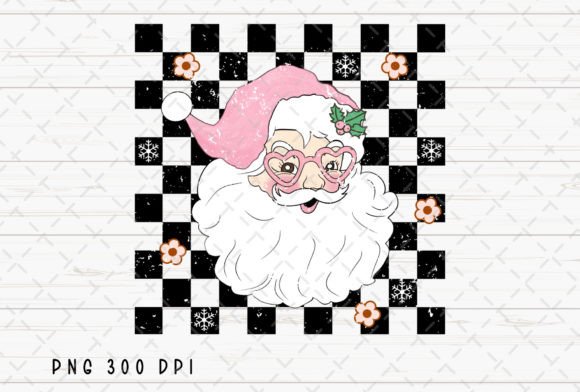
The immediate impression of this asset pack is one of nostalgic warmth. It evokes a mid-century aesthetic that feels both playful and polished. For bloggers and publishers looking to inject personality into their seasonal content, this style offers a distinct departure from the sterile, minimalist trends that have dominated web design for the past decade. It feels feminine, artistic, and deeply decorative, making it an excellent fit for lifestyle-focused niches, parenting blogs, and creative small business branding.
Elevating Editorial Mood and Reader Trust
When you integrate 1950s Retro Cute Girls Christmas Cards into your website header or featured images, you are signaling something specific to your audience. You are communicating that your content is curated, thoughtful, and perhaps a bit whimsical. In an era where readers are bombarded with generic stock photography, a unique creative design element helps establish a stronger visual identity.
This particular aesthetic supports content that needs to look polished and clickable. Whether you are creating a holiday gift guide, a seasonal newsletter banner, or a Pinterest pin for a DIY tutorial, these visuals provide a cohesive backdrop that draws the eye. The retro charm adds a layer of emotional connection, which can improve reader trust. When your visuals feel hand-crafted or carefully selected rather than mass-produced, your audience perceives your content as more valuable and authentic.
Real-World Publishing Applications
I tested these assets across several common publishing workflows to see how they performed in real scenarios. Here is how they fit into a modern content marketing strategy:
- Pinterest Pins and Social Media Graphics: The vertical aspect ratios and bold, cute character designs make these illustrations perfect for stopping the scroll on Pinterest. They offer high contrast and clear focal points, which are essential for improving click-through potential on social media previews.
- Newsletter Headers and Email Marketing: For newsletter creators, these assets add a festive touch to email campaigns without requiring complex layout skills. They serve as excellent anchors for text-heavy emails, breaking up sections and adding visual interest.
- Digital Guides and Lead Magnets: If you are creating downloadable resources, such as holiday planning worksheets or children’s activity sheets, these illustrations can be used to create engaging covers. They transform a simple PDF into a perceived premium digital product.
- Blog Featured Images and Category Thumbnails: Using these visuals as category thumbnails helps with better category recognition. Readers can instantly identify holiday-related posts, improving navigation and user experience on your site.
- Affiliate Content Visuals: For affiliate marketers, product roundups benefit greatly from thematic imagery. These cards provide a consistent visual theme for "Best Holiday Gifts" or "Seasonal Decor" posts, enhancing the overall editorial design.
Supporting Content Performance Through Visual Hierarchy
One of the most critical aspects of web design is visual hierarchy. A well-designed page guides the reader’s eye to the most important information. When using 1950s Retro Cute Girls Christmas Cards, you must ensure that the decorative elements do not overpower the call-to-action buttons or headline text.
These illustrations work best when used as background textures or accent graphics behind clean, readable typography. By placing them strategically, you can achieve a clearer visual hierarchy that directs attention to your affiliate links or subscription forms. This approach leads to a more professional-looking content page and supports stronger branding consistency across all your channels.
Furthermore, these assets contribute to improved reader trust. A cluttered or low-quality image can signal a lack of professionalism. In contrast, a cohesive set of design assets like these suggests that you care about the details of your presentation. This attention to detail translates to perceived credibility, which is vital for converting casual visitors into loyal subscribers or customers.
Strategic Placement and Best Practices
To get the most out of these illustrations, you need to understand where they shine and where they might fall short. Here is a breakdown of optimal usage based on my testing:
- Hero Images: Use full-width versions for top-of-page banners. Ensure there is enough negative space for your main headline.
- Editorial Accents: Use smaller crops of the girls’ faces or decorative borders to break up long-form articles. This keeps readers engaged during lengthy reads.
- Content Upgrades: Pair these visuals with exclusive holiday checklists or printables. The matching aesthetic increases the perceived value of the free resource.
- Media Kits: If you are pitching sponsorships, including these visuals in your media kit demonstrates your ability to maintain a strong brand identity.
Where to Use With Caution
Not every context is suitable for this retro style. There are specific scenarios where 1950s Retro Cute Girls Christmas Cards might detract from your message:
- Small Mobile Thumbnails: At very small sizes, intricate details may become muddy. Always test how the image looks when scaled down to mobile dimensions.
- Serious Professional Niches: If you are writing for corporate audiences or serious financial advice, the cute, playful nature of these illustrations may undermine your authority. Stick to more minimal or abstract modern design elements for B2B content.
- Busy Layouts: Avoid placing these graphics over other busy patterns or dense text blocks. Clutter kills readability.
- Low-Contrast Backgrounds: Ensure the colors pop against your website’s background. If your site is dark, you may need to adjust the brightness or add a semi-transparent overlay.
Practical Publisher Notes for Implementation
Before integrating these assets into your live site, follow this technical checklist to ensure optimal performance and legal compliance:
Test Across Devices: Preview your pages on desktop, tablet, and mobile screens. Check how the illustrations scale and whether they distort.
Check Contrast and Readability: Place your headline text over the image. Does it remain legible? You may need to add a shadow or a solid color block behind the text to improve accessibility.
Font Pairing: Experiment with different typefaces. These retro illustrations pair beautifully with serif fonts for a classic look, but can also work with sans-serif fonts for a cleaner, contemporary feel. Avoid pairing them with overly ornate script fonts unless you are skilled in typography.
Optimize File Size: Large images slow down your website, which hurts SEO. Compress your images properly using tools like TinyPNG or Squoosh before uploading. Aim for WebP format if your platform supports it.
Verify Commercial Licensing: This is crucial. Confirm that you have a valid commercial license if you are using these assets on monetized websites, affiliate pages, or paid content products. Most marketplaces require a specific license for commercial use, so double-check the terms before you begin publishing.
Final Verdict for Digital Publishers
1950s Retro Cute Girls Christmas Cards is more than just a collection of pretty pictures; it is a strategic tool for enhancing your editorial design. For bloggers, online educators, and creative entrepreneurs, these Illustrations offer a way to stand out in a crowded digital landscape. They support a warm, inviting brand voice while maintaining the professional standards required for successful content marketing.
By integrating these assets thoughtfully into your Canva templates, website headers, and social media graphics, you can create a cohesive visual narrative that resonates with your audience. Whether you are launching a new holiday campaign or refreshing your existing blog design, these retro visuals provide a charming foundation for building stronger connections with your readers. Just remember to prioritize usability, optimize for speed, and always respect licensing agreements. When done right, this level of creative design investment pays off in higher engagement, better retention, and increased trust.