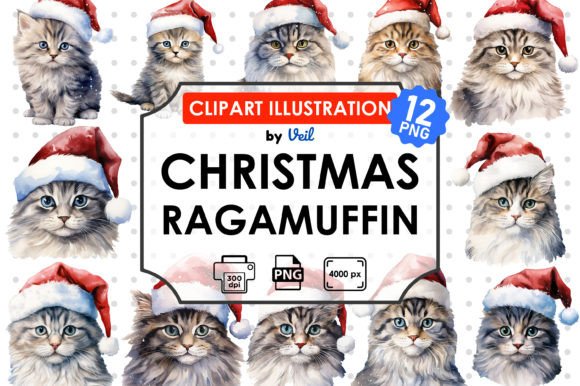
Christmas Ragamuffin Clipart Bundle: Illustrations for Seasonal Content
When I sit down to plan a content calendar, especially one leaning into the holiday season, my first question is never just about the copy. It is about the visual ecosystem. As a blog designer and digital publisher, I know that visual hierarchy dictates whether a reader stays or scrolls past. This week, I put the Christmas Ragamuffin Clipart Bundle through its paces in a real-world publishing workflow. I wanted to see if this graphic design asset could elevate a standard affiliate blog post into something that feels curated, trustworthy, and genuinely engaging.
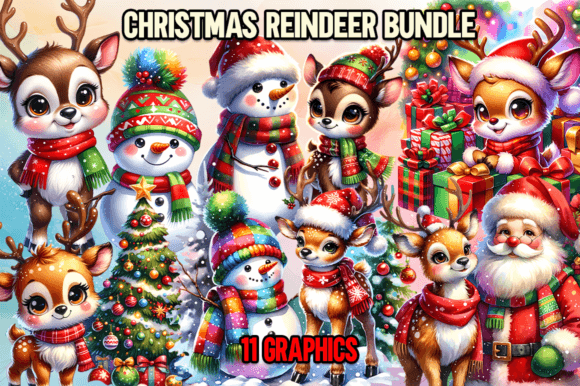
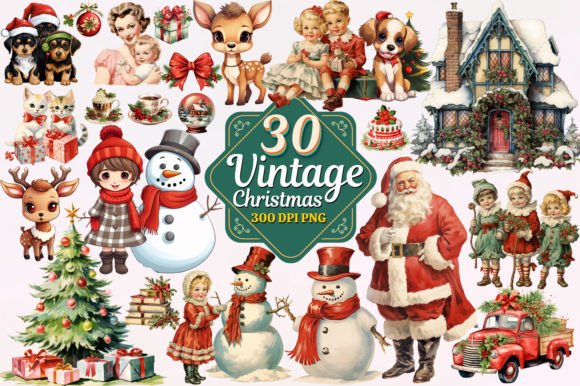
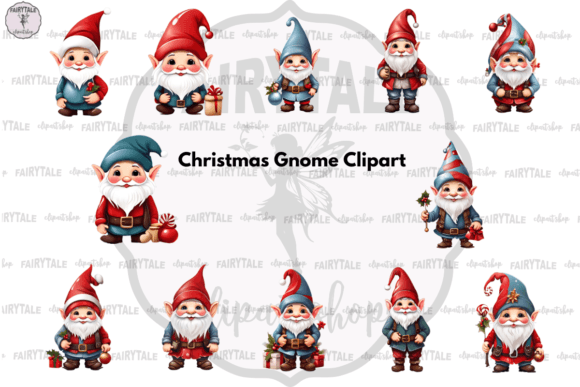
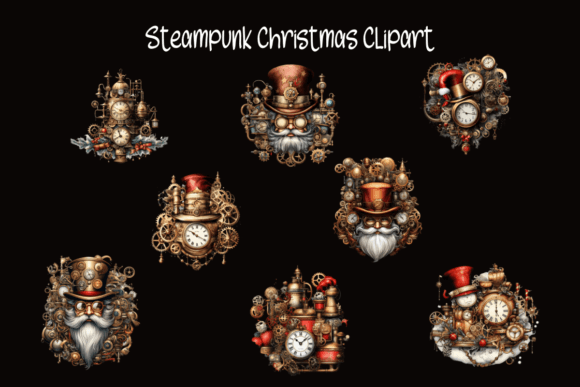
The moment you open the folder, the mood shifts. These are not stiff, vector-perfect cliparts that feel like they were generated by an algorithm. They have texture. They have warmth. The "ragamuffin" aesthetic suggests a cozy, slightly rustic, and deeply human approach to Christmas. For publishers who want to move away from sterile corporate aesthetics and toward lifestyle-focused storytelling, this bundle offers a compelling alternative. It feels artistic, playful, and undeniably seasonal without being saccharine. It supports content niches that value authenticity, such as parenting blogs, home decor sites, cozy mystery authors, and small business owners selling handmade goods.
Editorial Quality and Reader Trust
In the world of content marketing, trust is built through consistency and polish. When a website looks like it has been designed with care, readers subconsciously assume the content inside is equally well-researched and valuable. Using low-quality or generic images can undermine your authority. The Christmas Ragamuffin Clipart Bundle helps establish a strong brand identity because the illustrations share a cohesive style. Whether you are creating a featured image or a small icon, the visual language remains consistent.
I found that these illustrations work exceptionally well for editorial layouts. They add character to text-heavy pages without overwhelming the message. If you are writing a long-form guide on holiday traditions, breaking up paragraphs with these textured visuals keeps the eye moving. It creates a rhythm. For newsletter creators, this means higher engagement rates, as subscribers are more likely to click through when the email header looks inviting rather than generic. In an era where attention spans are short, a polished visual system is your best defense against the scroll.
Real-World Publishing Applications
So, where does this design asset actually fit into your production pipeline? I tested it across several common publishing scenarios, and here is what worked:
- Pinterest Graphics and Social Media Previews: Pinterest is a visual search engine. Pins with unique, hand-drawn styles often outperform stock photos. The whimsical nature of the ragamuffin theme stands out in a feed full of glossy product shots. Use these for Pinterest pin designs to drive traffic back to your affiliate links or blog posts.
- Digital Guides and Lead Magnets: If you are offering a free printable checklist or a holiday recipe eBook, cover design matters. These illustrations make excellent digital product covers. They signal to the user that the content inside is fun, accessible, and high-quality. They transform a simple PDF into a desirable digital download.
- Blog Featured Images: Instead of using a photo of a snowy street, try overlaying text on a background featuring elements from this bundle. It creates a unique blog graphic that is instantly recognizable as yours. This strengthens your visual identity across all articles.
- Newsletter Headers and Banners: A custom header sets the tone for the entire email. These illustrations allow you to create a festive yet professional look that aligns with your web design aesthetic. They are versatile enough to be used as website header accents on landing pages as well.
- Category Thumbnails: Organizing your site by topics like "Gift Ideas," "Decor," or "Family Fun" becomes easier when each category has a distinct visual cue. You can use specific characters or items from the bundle to represent different sections, improving category recognition for returning visitors.
Performance and User Experience
Beyond aesthetics, we must consider performance. A beautiful image that slows down your site is a bad image. The files in this bundle appear to be optimized for web use, but as a publisher, I always recommend compressing images properly before uploading. Check the file size and ensure they load quickly on mobile devices.
When integrated correctly, these assets improve click-through potential. A clear visual hierarchy guides the reader’s eye to the call-to-action. For example, placing a cheerful illustration next to a button saying "Get Your Free Holiday Planner" makes the action feel more inviting. This subtle psychological nudge can boost conversions in your affiliate marketing efforts. Furthermore, using consistent design assets across your social media graphics and blog posts reinforces brand recall. When a user sees your color palette and illustration style on Instagram, then visits your site, they immediately know they are in the right place.
Where to Exercise Caution
No single style fits every context. While the Christmas Ragamuffin Clipart Bundle is fantastic for lifestyle and creative niches, there are places where it might not land as intended. Be careful using these in serious professional niches. If you are running a corporate finance blog or a legal advice site, this playful aesthetic may clash with the need for gravitas. Similarly, avoid using them on busy layouts where the details get lost. On small mobile thumbnails, intricate textures can become muddy. Always test how the image looks at reduced sizes.
Also, consider contrast. These illustrations often have rich colors and shadows. Ensure they stand out clearly against your background. If your website uses a dark mode, preview the white or light-colored versions to ensure readability. Avoid placing these over text-heavy blog images; let the illustration breathe. It should support the headline, not compete with it.
Practical Publisher Notes for Implementation
To get the most out of this creative design resource, follow these practical steps during your publishing workflow:
- Test on Multiple Screens: View your designs on desktop, tablet, and mobile. Does the illustration hold up on a narrow phone screen?
- Font Pairing: Experiment with typography. These illustrations pair beautifully with serif fonts for a classic editorial look, or handwritten fonts for a personal touch. Try them beside sans-serif fonts for a modern design balance. Avoid pairing them with overly decorative display fonts that might create visual clutter.
- Black and White Check: Convert your draft to grayscale. If the composition still works without color, your visual hierarchy is solid.
- Licensing Verification: Before using these on monetized websites, affiliate pages, or paid content products, confirm the commercial license. Most marketplaces offer clear terms, but it is vital to ensure you are allowed to use the Illustrations in digital products you sell. This protects your business and ensures ethical commercial design practices.
- Canva Templates: If you use Canva, upload these as custom elements. Create templates for your team so everyone uses the same style, ensuring small business branding consistency across all channels.
Ultimately, the Christmas Ragamuffin Clipart Bundle is more than just a collection of images. It is a tool for enhancing editorial design and building a deeper connection with your audience. By choosing assets that reflect warmth and personality, you signal to your readers that you care about their experience. In a crowded digital landscape, that human touch is your greatest asset. Whether you are updating your media kit for sponsors or refreshing old posts for the holidays, these illustrations provide the creative spark needed to make your content shine.